Empowering Educators: Bringing AI into Czech classrooms
Challenges
Our EDIH Northeast Bohemia (EDIH NEB) team by the Regional Development Agency (EDIH NEB consortium leader) came up with an idea to organise a training for school teachers and directors focused on Artificial intelligence (AI) in connection with the educational system. The idea was to organise a bigger conference and educate school teachers and directors mainly from the Northeast Bohemia about AI, changes it causes in society, trends and provide them with practical examples of free AI software useful for their work with children during tuition.
Recognising the importance of AI literacy in modern education, we believe that both primary and secondary school educators must be equipped with the knowledge and confidence to embrace AI. Rather than fearing these advancements, they should leverage the benefits AI offers in education. It is crucial to start with this key demographic, as teachers have a profound influence on students and their understanding of AI’s role in shaping the future of society. With this in mind, the EDIH NEB team organised a series of three targeted training events across different cities for school leaders and teachers.
Solutions
The current reality in Czech schools is that pupils often possess a greater familiarity and understanding of Artificial Intelligence (AI) than many adults and teachers. This knowledge gap highlights the urgent need for AI education to begin with teachers, who play a critical role in shaping students’ learning experiences. With this in mind, we specifically chose school educators as the primary audience for this event.
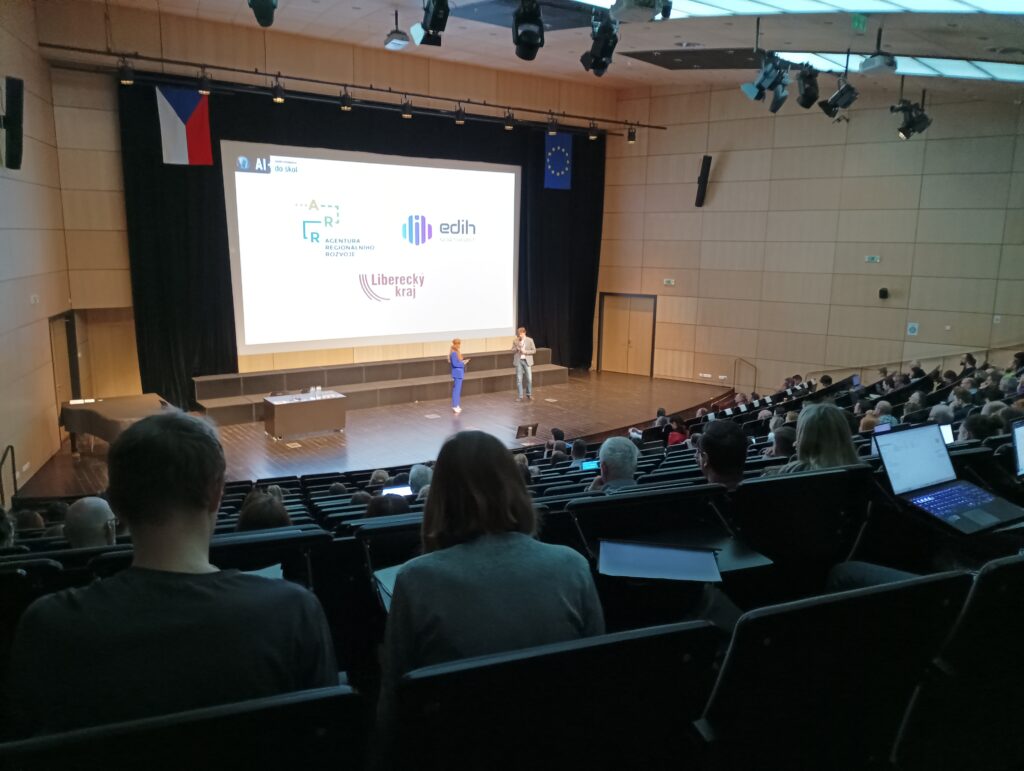
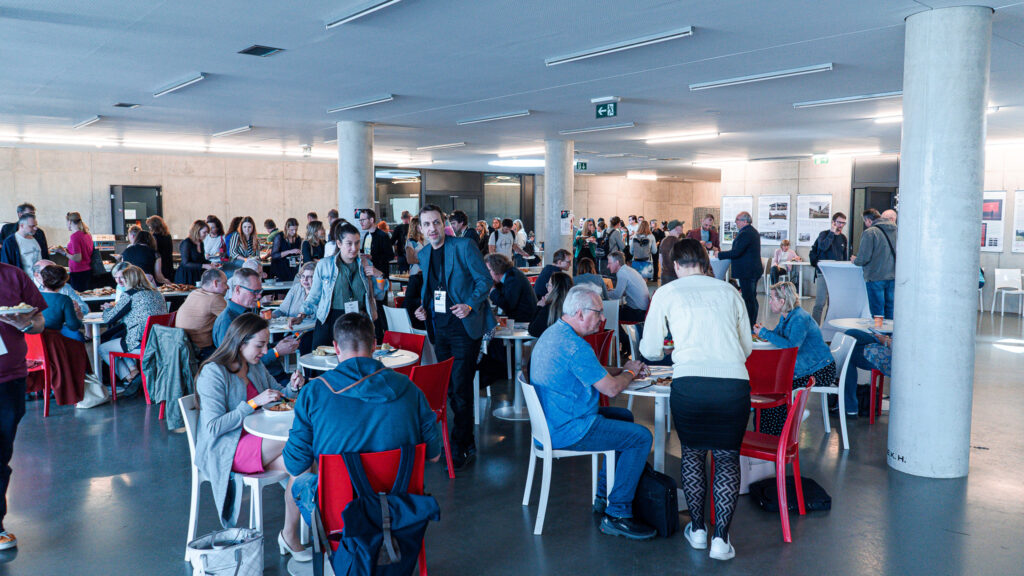
The training sessions took place on January 27th in Kamenický Šenov, April 8th in Liberec (the largest event), and May 13th in Železný Brod. A major challenge was engaging venue directors and effectively promoting the events to ensure strong participation. Our efforts paid off, particularly with the event in Liberec, which drew over 200 school teachers and administrators, primarily from the Liberec region. The high turnout underscores the growing recognition of AI’s role in education and the importance of equipping educators to navigate and leverage these technological advancements.
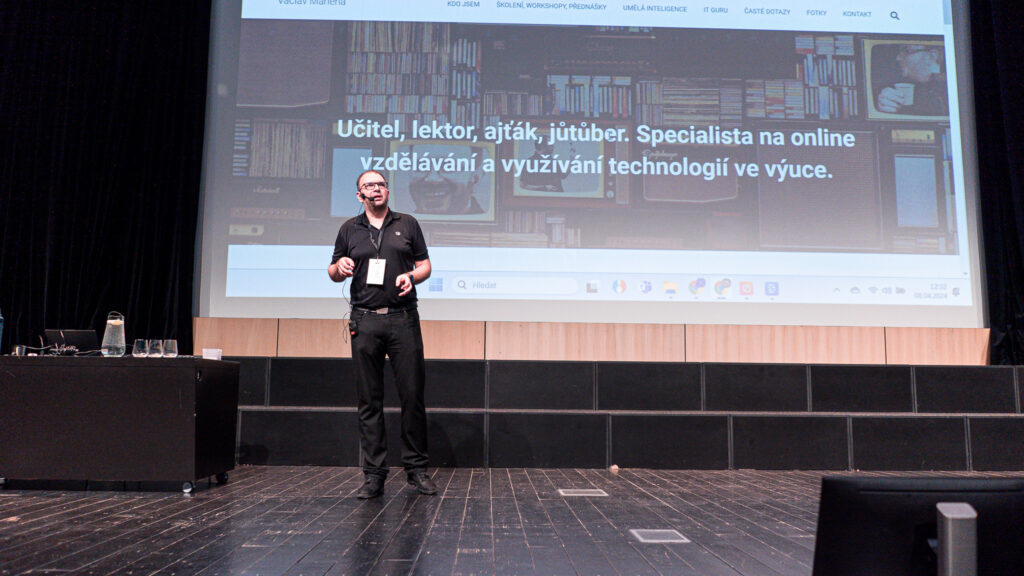
The event featured several expert keynote speakers: Mr. Manena, who demonstrated free AI software for schools; Mr. Berki, who discussed AI’s integration into the Czech education system; and Mr. Kopriva, who explored the intersection of AI, culture, modern art, and the associated risks. The event was widely promoted across both regional and national media, including a feature on Czech national television. A highlight video from the event can be viewed here: Event Video.
Results and benefits
The feedback from the target group was overwhelmingly positive, reaffirming that we successfully achieved our goal of introducing the topic of AI and helping teachers gain a deeper understanding of its practical applications in education. Many attendees expressed that the event not only broadened their knowledge of AI but also equipped them with the confidence to integrate these technologies into their teaching practices.
Notably, we received reports from several teachers who began incorporating the free AI software introduced during the sessions into their daily lessons. This has had a tangible impact on their classrooms, enabling them to better engage with students who are already familiar with AI tools. As a result, these educators now feel more capable of bridging the gap between traditional teaching methods and the digital tools their students use regularly, fostering a more interactive and relevant learning environment.
This shift in approach has significant positive implications for the educational system, as it encourages a forward-thinking mindset among teachers and prepares students for the evolving demands of a digital society. By embracing AI, educators can enhance their teaching efficiency, provide personalised learning experiences and better understand the digital landscape their students navigate daily. The practical benefits of this newfound understanding extend far beyond the classroom, contributing to a more technologically adept and future-ready generation of learners.